Most buyers of citicoline powder never need to understand how it’s produced. They need a COA, a competitive price, and reliable delivery. But for formulators and procurement teams who want to ask better questions of their suppliers — and recognize when answers don’t add up — knowing the basics of citicoline production is genuinely useful.
The Chemistry Behind Citicoline
Citicoline (cytidine 5’-diphosphocholine, or CDP-choline) is a naturally occurring compound found in all living cells. It’s an intermediate in the biosynthesis of phosphatidylcholine, which is the most abundant phospholipid in cell membranes. In the body, citicoline is synthesized from choline via the CDP-choline pathway, and it can also be broken down back into cytidine and choline, both of which have independent biological activity.
For commercial production, the molecule needs to be manufactured at scale with consistent purity. Two production routes are used commercially: enzymatic synthesis and chemical synthesis. Both start from the same core precursors — choline and cytidine — but convert them to the final citicoline molecule through different chemistry.
Enzymatic Synthesis: The Cleaner Route
Enzymatic synthesis uses biological catalysts — enzymes, typically derived from microbial sources — to drive the chemical reactions that join choline and cytidine into CDP-choline. The enzyme-catalyzed route operates under mild conditions (lower temperatures, near-neutral pH) compared to chemical synthesis, which reduces the formation of undesired side products and generally yields a higher-purity finished product with fewer residual impurities.
The enzymes used in citicoline production are typically immobilized on solid supports, allowing them to be recovered and reused across multiple production batches. This makes the enzymatic route more cost-effective at scale than single-use enzyme approaches, and the ability to reuse catalysts means the economics of enzymatic production improve as the process matures.
Because the enzymatic route doesn’t use the aggressive reagents that chemical synthesis may require, residual solvent concerns are lower. This is relevant for pharmaceutical and nutraceutical grade material where solvent residue limits are strictly controlled.
Chemical Synthesis: The Alternative Route
Chemical synthesis of citicoline involves organic chemistry reactions to build the CDP-choline molecule from its precursors. This route can achieve high yields when the reaction conditions are well-optimized, but it tends to produce more side products than enzymatic synthesis, which means more purification steps are required downstream to reach the same purity specification.
Chemical synthesis may involve the use of organic solvents as reaction media or in purification steps. Residual solvents in the finished active pharmaceutical ingredient are regulated under ICH Q3C guidelines, which specifies acceptable limits for different solvent classes based on their toxicological profiles. The COA for citicoline produced via chemical synthesis should include residual solvent testing, and the supplier should be able to specify which solvents are used in their process and at what levels they appear in the finished product.
Purification and the Salt Form
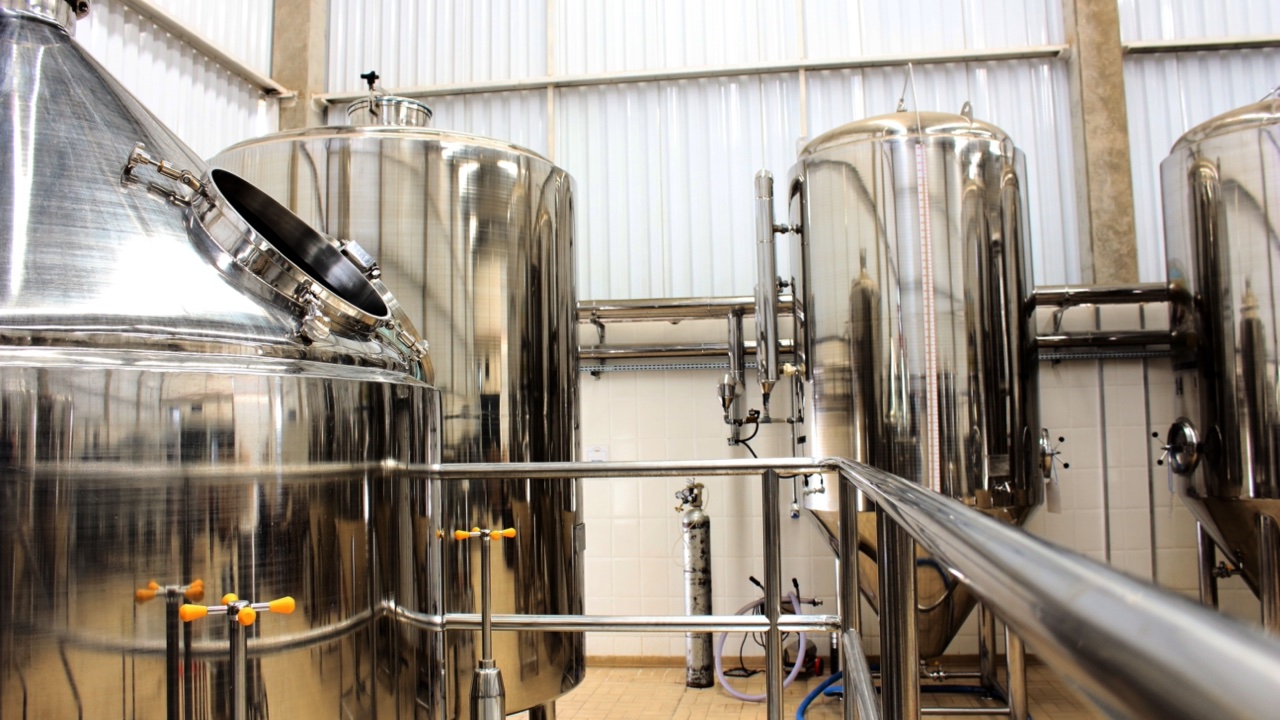
Regardless of whether enzymatic or chemical synthesis is used, the crude citicoline product coming out of the reaction step requires purification before it meets pharmaceutical or nutraceutical grade specifications. Purification typically involves ion exchange chromatography, crystallization, and drying steps designed to remove process-related impurities, unreacted starting materials, and excess water.
The final step in commercial production is typically conversion to the disodium salt form — citicoline sodium — which is more stable and water-soluble than the free acid. This conversion involves treatment of purified citicoline with sodium hydroxide or a sodium salt, followed by crystallization or spray drying to produce the final powder.
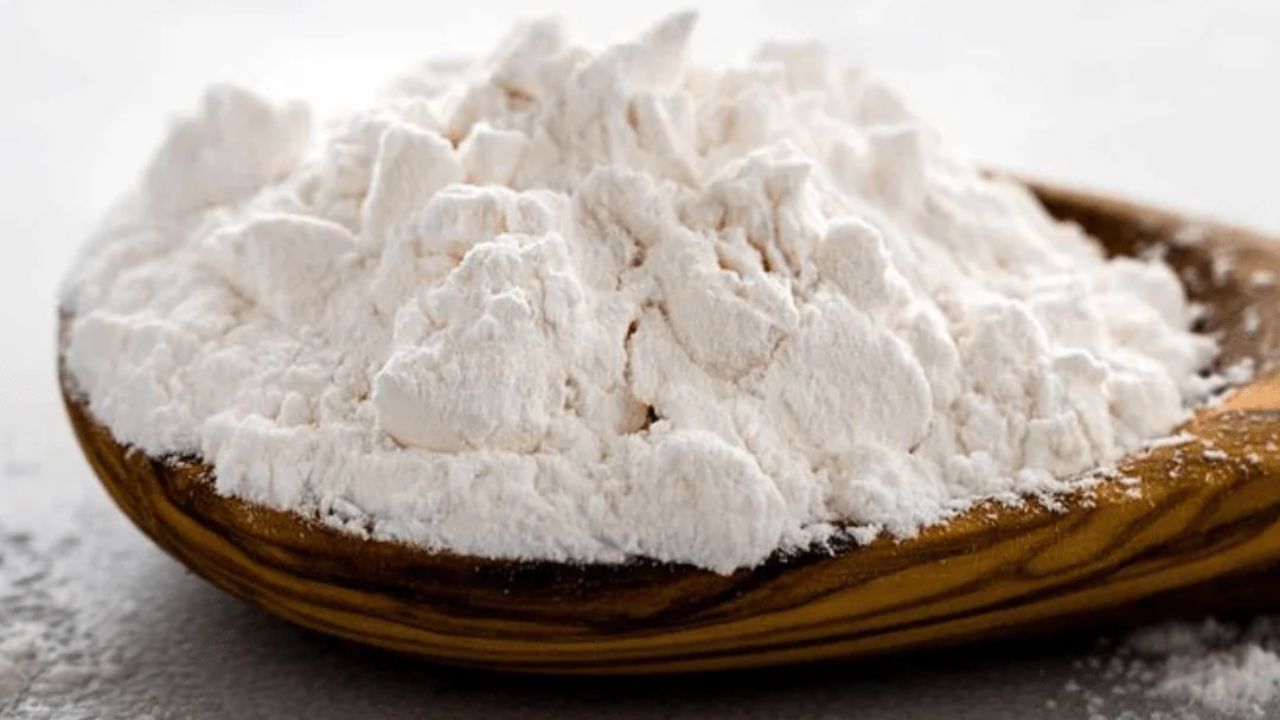
Spray drying and crystallization produce powders with different particle size distributions and morphologies. Spray-dried citicoline sodium tends to have a more amorphous structure and finer particle size, which affects its flow properties and dissolution behavior. Crystalline citicoline sodium has a more defined particle shape and typically better flow. Which form is appropriate depends on the downstream application — capsule filling, direct compression, liquid dissolution.
What This Means When You’re Asking Suppliers Questions
A supplier who actually manufactures citicoline should be able to answer questions about their synthesis route, their purification method, and their drying process. If the synthesis route is enzymatic, they should know which enzymes and whether they’re immobilized. If chemical synthesis is used, they should know which solvents appear in process and what their residual levels are in the finished product.
A supplier who can’t answer these questions from direct knowledge — who gives vague answers about “proprietary processes” or redirects to the COA without engaging with the process question — is likely not manufacturing the material themselves. Trading companies that source from other factories can’t answer manufacturing process questions because they weren’t part of the production.