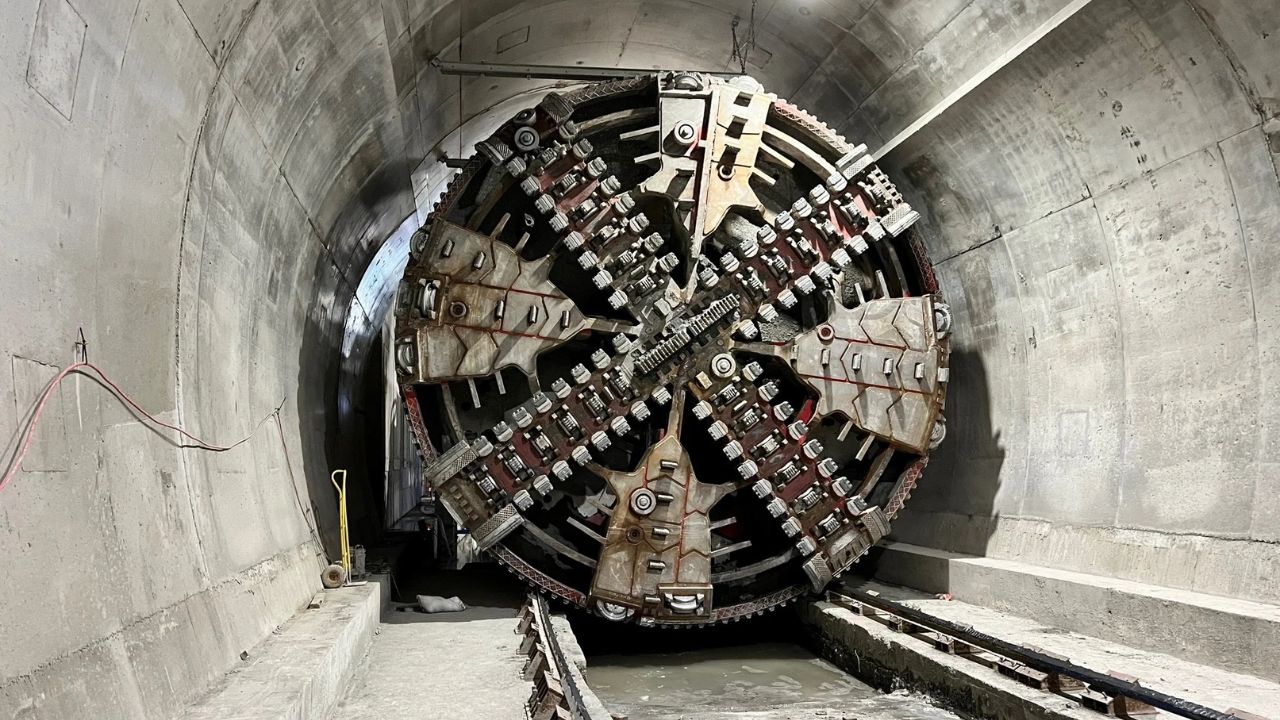
Tunnel Boring Machines (TBMs) are the most progressive engineering systems that are implemented in underground excavation. They are engineered to cut through soil, rock, and mixed ground environments to dig tunnels to be used in transportation, mining, water transportation, and infrastructure development. The most important element of this mighty machine is the mining drill bits, which make or break its efficiency and performance. These miniature yet engineered tools make all the difference in fracturing rock formations and facilitating uninterrupted tunneling.
Importance of Cutting Performance
The ability of a TBM to break and remove ground material is the crucial determinant of its performance. Drill bits on the cutting head are the ones that come in direct contact with the rock surface. These drill bits impose a high amount of pressure and shear force onto the rock as the TBM rotates and pushes forward, fracturing the rock. The quality, shape, and material content of these bits have a great effect on the rate at which the excavation is made and the smoothness with which the tunneling is made.
Poorly cutting tools in hard rock conditions may slow down the operation, consume more energy, and wear out the machine. High-performance mining drill bits can be used to minimize these issues; they guarantee steady penetration and manageable fracture of rock layers.
Structure and Function of Mining Drill Bits in TBMs
The drill bits used in TBMs are engineered with precision to withstand high levels of stress. They are mounted on the rotating cutter head and in a pattern that provides a uniform distribution of the tunnel face. Individual bits are designed to cope with the impact, abrasion, and heat that are created during the continuous excavation.
The cutting process commences with the TBM head rotating and hitting the drill bits against the rock surface. The bits cut away sharp, wear-resistant ends of the rock into fragments, which are then scraped off by the conveyor or slurry system on the machine. This is a constant loop that enables the TBMs to move continuously through different geologic formations.
Material Technology and Wear Resistance
The material the drill bits are made of is one of the most significant issues with mining drill bits. The drill bits of modern TBM are usually made of tungsten carbide and other high-strength alloys. These materials are very hard and wear-resistant, and hence can be used in cutting through abrasive rock conditions. Consequently, maintenance time is prolonged, and project downtime is reduced in general.
Impact on Efficiency and Project Cost
The drill bits used in mining directly affect the cost-effectiveness and efficiency of the TBM. Good quality bits enhance the rate of penetration, enabling the machine to dig at a higher rate and finish tunneling activities in less time. This enhanced productivity lowers the cost of labor and the time it takes to use the machine.
Adaptability to Geological Conditions
The Tunnel Boring Machines are frequently used in very different geological conditions, such as soft soil, mixed ground, and hard rock. The mining drill bits should be flexible to work under these varying conditions. The different bit designs depend on the kind of ground being excavated.
An example of this is that hard rock conditions demand reinforced cutting edges and carbide inserts that are more robust, whereas softer formations may need to be spaced optimally to avoid clogging and enable easy material removal. This flexibility means that TBMs can be used anywhere without compromising performance due to geological problems.
Maintenance and Replacement Considerations
Mining drill bits ought to be inspected and maintained regularly to ensure the safe and efficient operation of TBMs. With time, there is wear on the edges of the cutting through constant friction and impact. Operators are required to check the state of bits and change worn-out parts before they are completely unusable.
Early replacement can save not only the cutting efficiency, but also save the structural integrity of the cutter head. Effective maintenance plans can also be used to lengthen the life of the whole TBM system and minimize the chances of expensive malfunctions during the most important tunneling processes.
Conclusion
Drill bits used in mining are a key element of Tunnel Boring Machines that have a direct impact on their efficiency, durability, and overall performance. Modern tunneling works are quicker, safer, and less expensive because of their capability to cut through obstinate geological structures. As material technology and engineering design continue to develop, these drill bits have also developed and increasingly become vital in the future of underground construction and the development of mining infrastructure.